Embracing Tradition: A Guide to Ramadan and Eid in Oman
Experiencing Ramadan and Eid in Oman offers travelers a deeper connection to the country’s soul. It is a sacred time where spirituality, community, and legendary Omani hospitality converge to create an atmosphere unlike any other time of year.
At Arabian Wonders DMC, we believe visiting during these months provides a rare window into the authentic traditions of the Sultanate.
🌙 Ramadan in Oman: The Month of Reflection
Ramadan is the holy month of fasting. From sunrise to sunset, Muslims abstain from food and drink, focusing instead on prayer, charity, and self-reflection.
What Visitors Should Know:
- Public Conduct: Eating, drinking, or smoking in public during daylight hours is not permitted out of respect for those fasting.
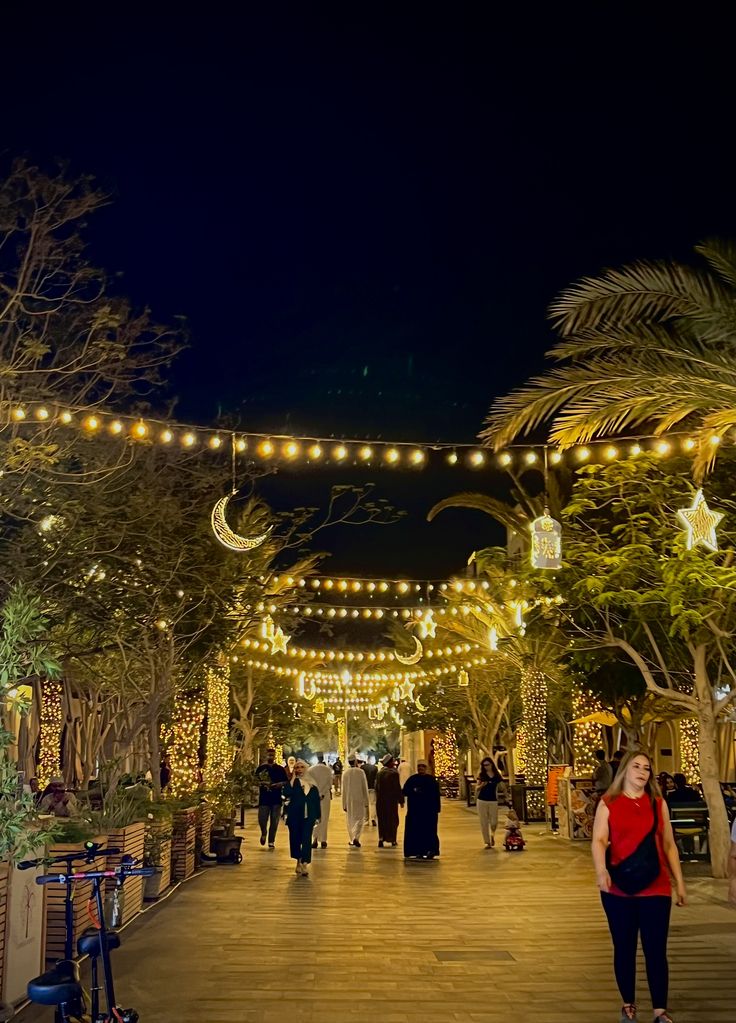
- City Pace: Business hours are typically reduced, and the pace of life slows down significantly during the day.
- Dining: Most restaurants remain closed until sunset, though many international hotels keep designated indoor dining areas open for non-fasting guests.
The Iftar Experience
At sunset, the "Maghrib" call to prayer signals the end of the fast. Families and communities gather for Iftar, the meal to break the fast.
- The Tradition: It usually begins with water, Omani coffee (Kahwa), and locally grown dates.
- The Atmosphere: Many hotels and tents host lavish Iftar buffets where guests can enjoy traditional Omani dishes in a communal, festive setting.
![Omani Iftar Table - Dates, coffee, and traditional dishes spread out on a table with a lantern] Iftar: A time of community, generosity, and delicious Omani flavors.
✨ Eid in Oman: The Season of Celebration
Oman celebrates two major Eids: Eid Al-Fitr (marking the end of Ramadan) and Eid Al-Adha (the festival of sacrifice later in the year). These are vibrant, multi-day public holidays.
What to Expect During Eid:
- Traditional Attire: You will see Omanis in their finest dress—men in pristine white dishdashas and embroidered mussars, and women in brightly colored traditional silks.
- The Feast of Shuwa: Eid is the only time you can witness the traditional preparation of Shuwa, where meat is slow-cooked in underground ovens for up to 48 hours.
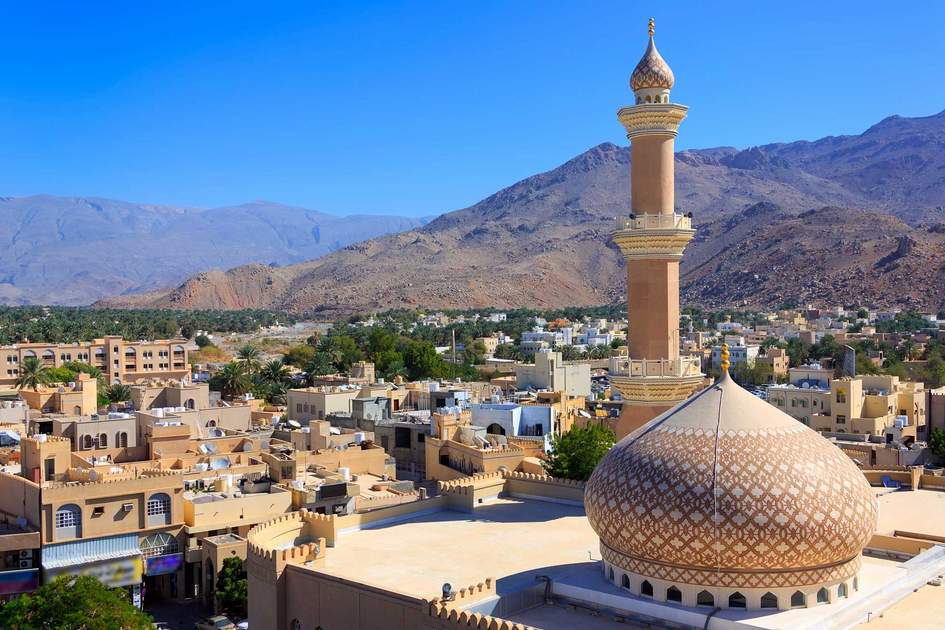
- Festivities: Expect traditional dancing, camel races, and local markets (Habta) buzzing with energy across the interior regions like Nizwa and Bahla.
📊 Traveler’s Quick Reference: Ramadan & Eid
| Category | Advice for Travelers |
|---|---|
| Dress Code | Maintain extra modesty; ensure shoulders and knees are covered at all times. |
| Business Hours | Government offices and many shops close early (around 2:00 PM). |
| Photography | Be extra sensitive; it is a time of prayer and private family gathering. |
| Booking | Eid is a peak travel time for locals; book hotels and transport well in advance. |
| Greeting | Use the phrase "Ramadan Kareem" or "Eid Mubarak" to greet locals. |
💡 Essential Tips for a Respectful Visit
- Plan for Flexibility: Tours may start earlier or end later to accommodate shifting schedules.
- Join an Iftar: If invited by a local family or a hotel, accept! It is the best way to experience Omani generosity.
- Check the Moon: Islamic holidays follow the lunar calendar, so exact dates change every year. Always verify the dates before booking.