How Omani Hospitality Makes Travel Special
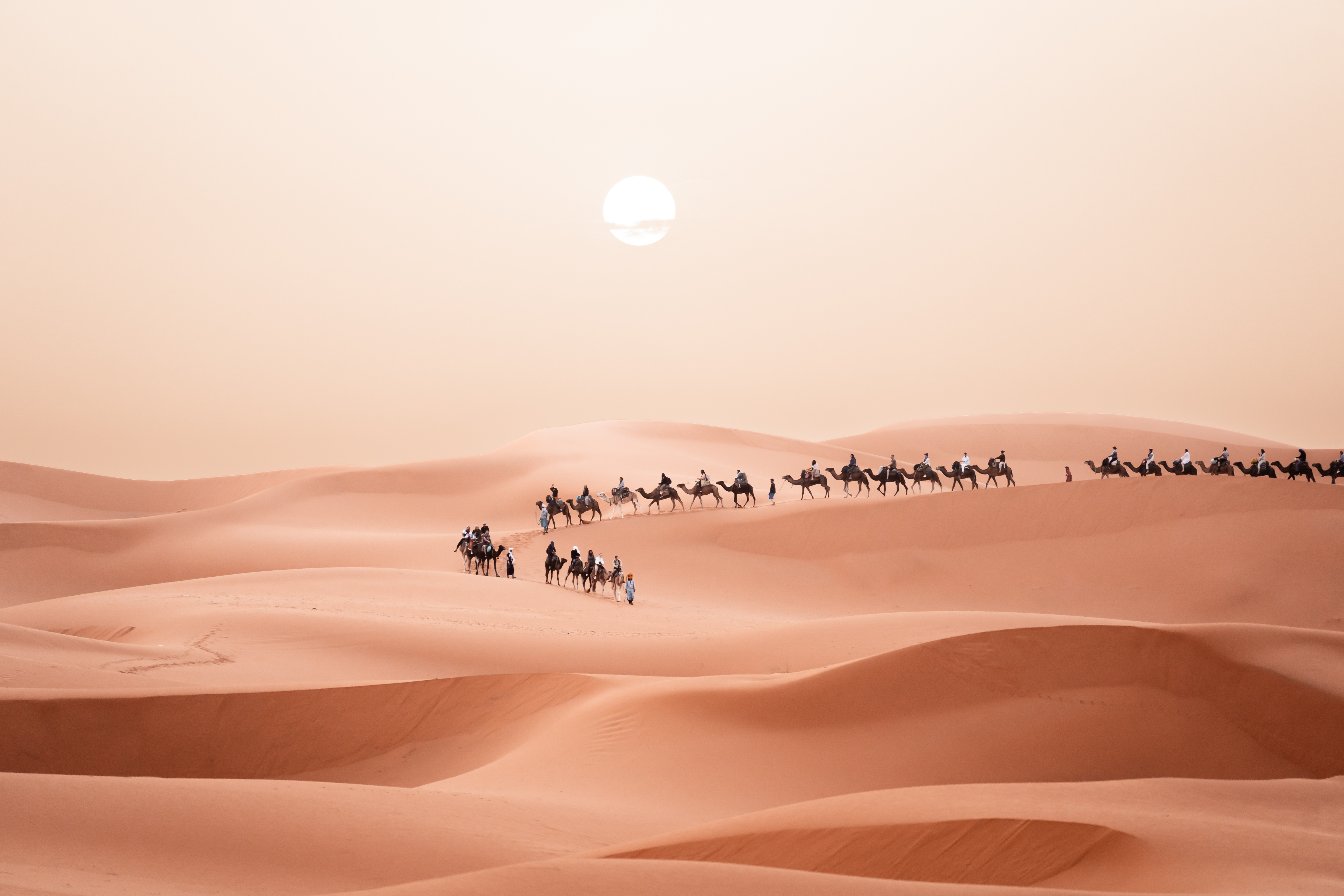
In Oman, hospitality isn't just a service provided by hotels; it is a cultural pillar known as Karam. It is an unwritten code of conduct that has existed for centuries, rooted in the harsh conditions of the desert, where welcoming a traveler was often a matter of survival.
Today, that ancient tradition translates into a travel experience that feels more like visiting an old friend than being a tourist. Here is how Omani hospitality transforms a standard vacation into something truly special.
☕ The Universal Welcome: Dates and Kahwa 🇴🇲
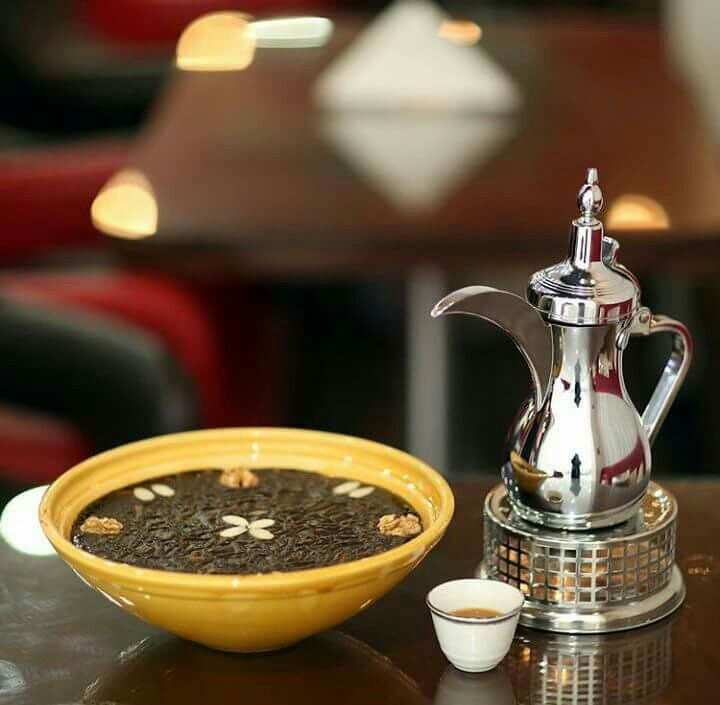
No matter where you go—a high-end bank in Muscat, a remote mountain farmhouse, or a carpet shop in the souq—you will be offered Omani Kahwa (coffee spiced with cardamom and saffron) and fresh dates.
- The Ritual: It is more than a snack; it’s an icebreaker. Your host will pour a small amount into a handleless cup (finjan).
- The Connection: This simple act slows down the pace of travel. It forces a moment of stillness and conversation, allowing you to connect with locals beyond a simple transaction.
🤝 Generosity Without Expectation
One of the most striking things for visitors is the lack of a "transactional" feel. In many global tourist hubs, a friendly gesture often leads to a sales pitch. In Oman, it’s different.
- The "Random Act": It is not uncommon for a local to see you looking at a map and offer not just directions, but a drive to your destination.
- The Invitation: Many travelers find themselves invited into family homes for a massive lunch of Shuwa (slow-cooked lamb) simply because they showed interest in a local village.
- The Safety Net: This deep-rooted sense of care is why Oman is consistently ranked as one of the safest countries for solo and female travelers. The community looks out for its guests.
🕌 A Pride in Sharing Heritage
Omanis are incredibly proud of their history and the rapid development of their nation. This pride manifests as a desire to act as unofficial ambassadors.
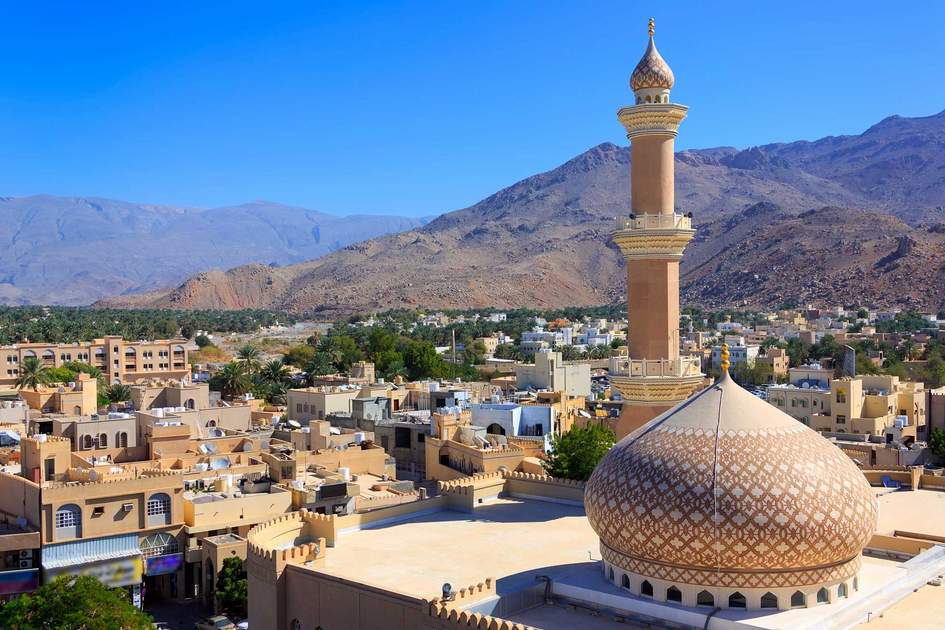
- Storytelling: Whether it's a taxi driver explaining the architecture of the Grand Mosque or a mountain guide showing you which herbs can be used for tea, the information is shared with genuine passion.
- Authenticity: Unlike some destinations that have become over-commercialized, Omani hospitality remains grounded. You are invited to witness their culture as it is lived, not as a performance.
📊 Hospitality Highlights: What to Look For
| Feature | What to Expect | Where to Experience It |
|---|---|---|
| The Welcome | Cardamom coffee & dates | Lobbies, Shops, Homes |
| The Fragrance | The scent of burning Frankincense | Souqs and Hotel Entrances |
| The Farewell | A sprinkle of rosewater on hands | Traditional homes & restaurants |
| The Attire | Impeccable Dishdashas & Massars | A symbol of the respect shown to guests |
💡 The "Omani Way": A Quick Etiquette Guide
To truly appreciate the hospitality, it helps to know a few small gestures of respect:
- The "Shake": When you’ve had enough coffee, gently jiggle your cup from side to side before handing it back. If you don't, they will keep refilling it forever!
- The Right Hand: Always use your right hand for eating, drinking, and shaking hands.
- Dress Modestly: While Omanis are very forgiving, dressing modestly (covering shoulders and knees) is seen as a sign of respect for their local traditions.
You might come to Oman for the turquoise wadis or the golden dunes, but you will leave talking about the people. It is a place where a "wrong turn" into a village often results in the best meal of your trip.