Planning the Perfect Trip to Oman: A Seasonal Guide
If you’re planning a trip to Oman, you’ve probably realized it isn’t a "one-size-fits-all" kind of destination. Depending on when you go, you’ll find a completely different country. Having lived through the seasons here, I can tell you that timing is everything.
Here are the best times to visit, from the crisp winter mornings to the magical misty monsoons.
🏔️ Peak Season: November – March
This is the "golden window" for most travelers. The weather is absolutely perfect—think clear blue skies and temperatures ranging from 20°C to 30°C. It’s the best time to:
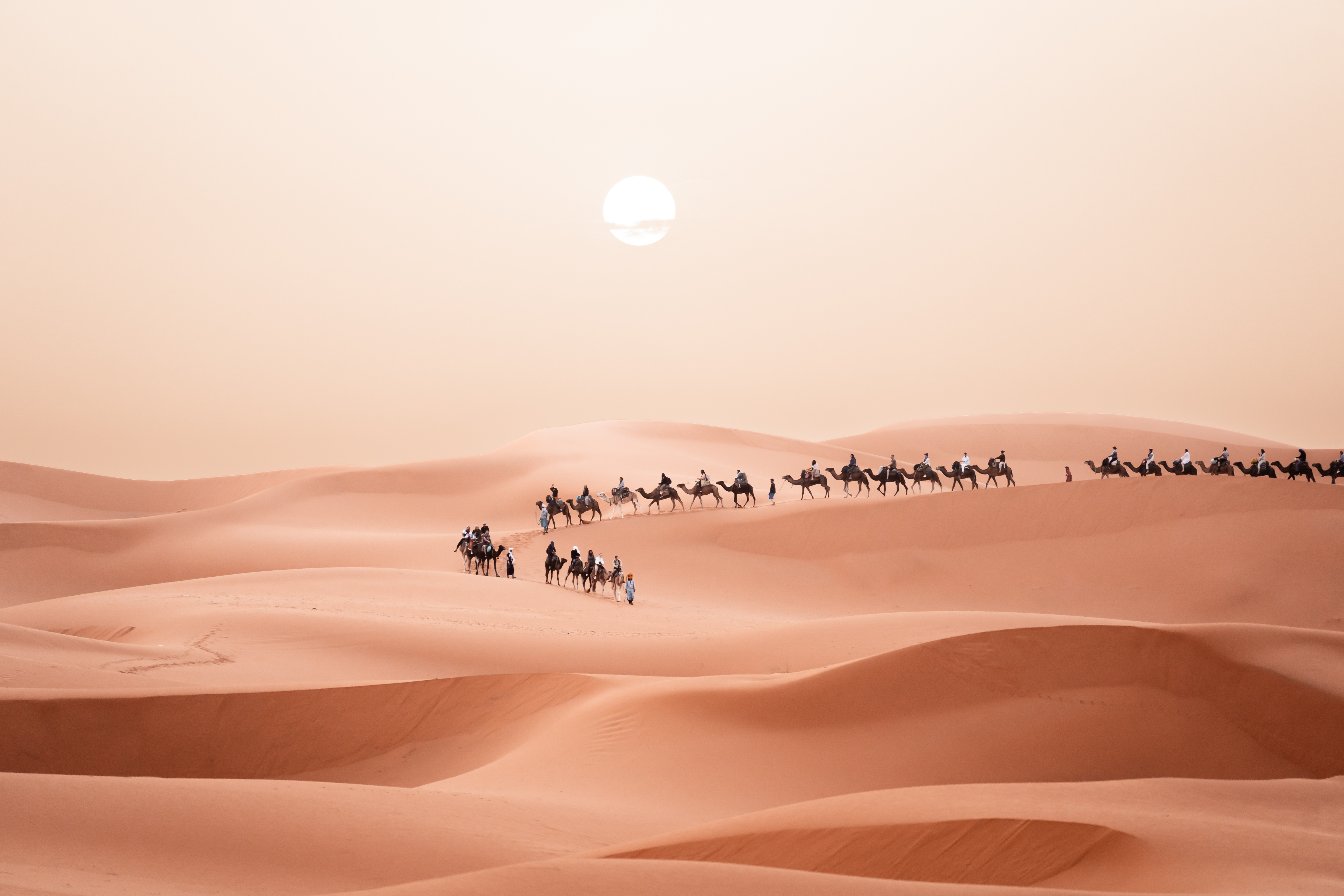
- Go Desert Camping: Head to Wahiba Sands for a night under the stars; the evenings are crisp, and the dunes are manageable.
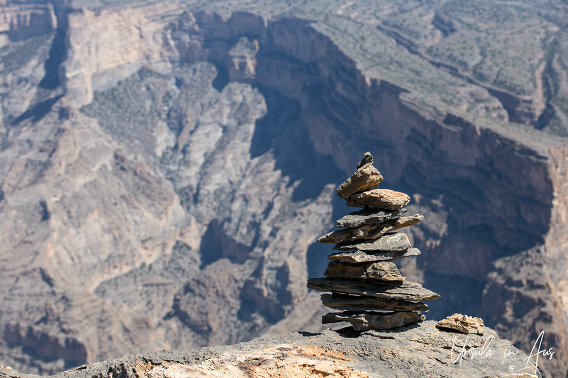
- Hike the Hajar Mountains: Trails like the Jebel Shams "Balcony Walk" are stunning and cool enough to enjoy without the summer heat.
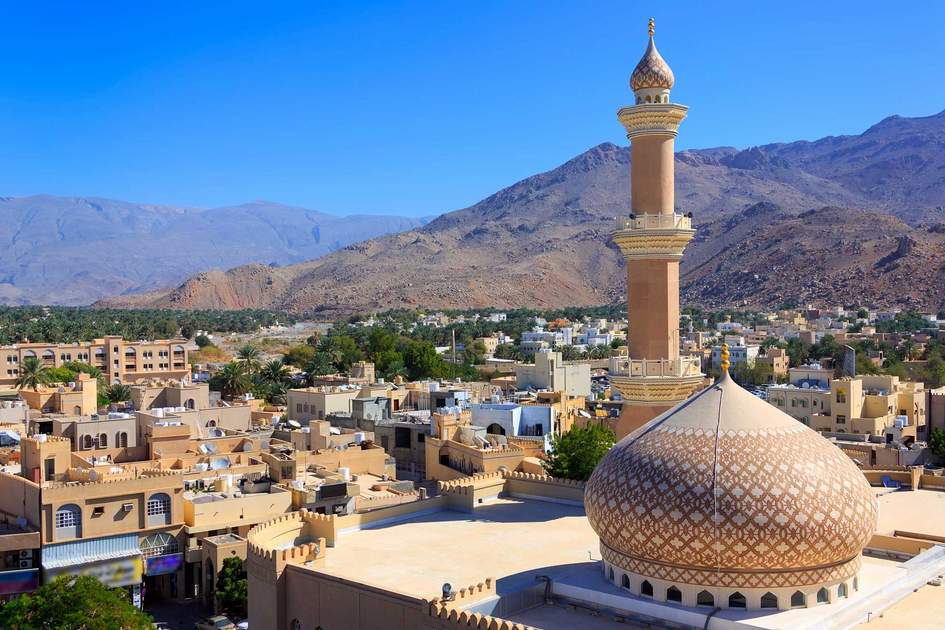
- Explore Muscat: It’s peak season for the Sultan Qaboos Grand Mosque and the Royal Opera House, and you can catch the Muscat Nights festival in January/February.
🌹 First Shoulder Season: April (The Rose Harvest)
April is a short, magical transition. While the coast starts getting warm, the Jebel Akhdar (the Green Mountain) comes alive with the Rose Harvest.
- Pink Terraces: The mountain terraces are covered in fragrant pink roses.
- Tradition: You can visit traditional distillation houses to see how rose water is made using centuries-old techniques.
- Pro Tip: Go early in the morning (around sunrise) to catch the farmers hand-picking the blooms when the fragrance is strongest.
🌦️ Summer: May – September (The North vs. Salalah)
In the north (Muscat, Nizwa), it is low season because it gets incredibly hot—often exceeding 40°C. However, this is the high season in Salalah, thanks to the Khareef (monsoon).
- The Khareef Phenomenon: While the rest of the Gulf swelters, Salalah transforms into a misty, green paradise with temperatures around 25°C.
- Wadis & Waterfalls: Wadis like Wadi Darbat are filled with waterfalls, and the hills turn a vibrant emerald green.
- Whale Sharks: Starting in September, it’s Whale Shark season off the coast of Muscat, one of the few times you can swim with these gentle giants.
🏊 Second Shoulder Season: October – November
The air begins to cool, but the sea and wadi pools are still warm from the summer sun, making it the best time for swimming.
- Wadi Swimming: Places like Wadi Shab or Wadi Bani Khalid are perfect right now; the water is "silky" and the air is refreshing.
- National Day: If you visit in mid-November, you’ll catch the National Day celebrations on the 18th, with fireworks and flags everywhere.
📊 At-a-Glance: Oman Seasonal Summary
| Season | Months | Weather (Avg) | Highlights | Best For |
|---|---|---|---|---|
| Peak | Nov – Mar | 20°C – 30°C | Perfect Skies | Hiking, Camping, Sightseeing |
| Shoulder | April | 25°C – 35°C | Rose Harvest | Jebel Akhdar, Cultural Tours |
| Summer | May – Sept | 40°C+ (North) | Heat in North | Indoor Activities, Luxury Resorts |
| Khareef | June – Sept | ~25°C (Salalah) | Misty & Green | Salalah, Waterfalls, Nature |
| Shoulder | Oct – Nov | 28°C – 35°C | Warm Waters | Swimming, Wadis, Diving |