Guardians of the Interior: A 2026 Guide to Oman’s Legendary Forts
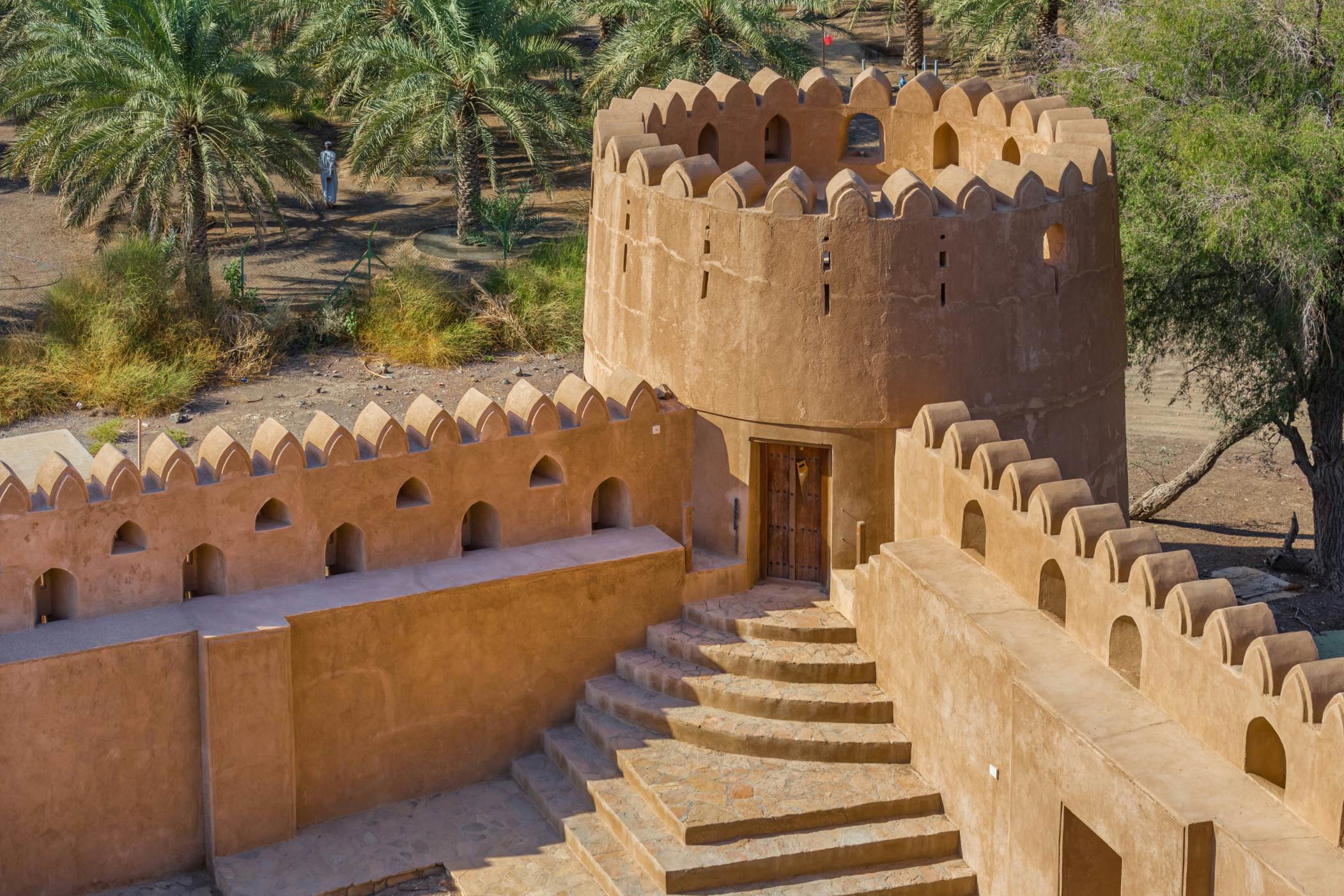
From the massive circular towers of the interior to the elegant painted ceilings of hidden palaces, Oman’s forts are the soul of the nation. In 2026, these historic sites have evolved into immersive cultural hubs, blending 17th-century defense with modern storytelling.
🏛️ The "Big Three" Interior Forts (Dakhiliyah Region)
1. Nizwa Fort: The Impregnable Icon
Located just 1.5 hours from Muscat, Nizwa Fort is the most visited monument in Oman—and for good reason. Its massive circular tower (the largest in the Arabian Peninsula) was designed to withstand the heaviest cannon fire of the 16th century.
- The 2026 Experience: Beyond the views, the fort now hosts live silver-smithing and copper-work workshops daily, reflecting Nizwa's status as a silver capital.
- Don't Miss: The "murder holes" above every door, designed to pour boiling date syrup on intruders.
- Pro-Tip: Visit on a Friday morning to combine the fort with the world-famous Nizwa Goat Market.
2. Jabreen Castle: The Palace of Knowledge
If Nizwa is a soldier, Jabreen is a scholar. Unlike other forts built for war, Jabreen was a center for science, medicine, and law.
- The Beauty: It features the most stunning painted wooden ceilings in the country, decorated with floral and geometric motifs.
- The Highlight: The "Sun and Moon Room." Engineered with 14 windows—seven high and seven low—to create a natural air-conditioning system that stays cool even in the peak of an Omani summer.
3. Bahla Fort: The UNESCO Masterpiece
The first Omani site to be inscribed on the UNESCO World Heritage list, Bahla is a sprawling mud-brick complex surrounded by a 12-kilometer wall.
- The 2026 Revamp: The fort has recently been transformed into a museum complex, featuring new interactive galleries dedicated to Omani honey, traditional doors, and even meteorites.
- The Legend: Local lore says the walls were built by Jinn (supernatural beings) in a single night.
- The Experience: It feels like a labyrinth. Exploring its dark corridors and high watchtowers is the closest you can get to "Indiana Jones" style exploration in 2026.
🏰 The Batinah Sentinels
4. Al Hazm Castle: The Hidden Marvel (Rustaq)
Often overlooked, Al Hazm is a masterpiece of Islamic architecture. It was built without using a single piece of wood for its ceilings—everything is supported by massive stone arches.
- The Feature: It contains a network of secret tunnels and a 12-meter-deep well inside the kitchen.
- The Gates: The massive carved wooden doors were imported from India over 300 years ago and remain in perfect condition.
5. Nakhal Fort: The Rocky Sentinel
Perched on a jagged rock at the foot of the Hajar Mountains, Nakhal Fort offers the best views in the Al Batinah region.
- The Setting: The fort is built around the natural rock; you will see massive boulders protruding through the floors of the rooms.
- 2026 Status: Now under private management, the fort features a beautiful traditional café and regular "Heritage Nights" with Omani music and poetry.
📊 Fort Comparison: Which One Should You Visit?
| Fort / Castle | Character | Best For | Location |
|---|---|---|---|
| Nizwa Fort | Military Power | History Buffs & Families | Nizwa |
| Jabreen Castle | Royal Elegance | Art & Architecture Lovers | Bahla / Jabreen |
| Bahla Fort | Ancient Mystery | Adventurers & Photographers | Bahla |
| Al Hazm Castle | Hidden Engineering | Those Seeking Solitude | Rustaq |
| Nakhal Fort | Scenic Views | Day-trippers from Muscat | Nakhal |
💡 Expert Tips for Your Visit
- The Dakhiliyah Digital Advantage: In 2026, keep an eye out for "Smart Pass" initiatives (like the Rose Explorer pass) that occasionally offer digital links between heritage sites in the Dakhiliyah region.
- The "Golden Hour": For the best photos, visit at 08:00 AM when they open, or 04:00 PM before they close. The shadows on the mud-brick walls are spectacular.
- Dress Code: These are cultural sites. Both men and women should ensure their shoulders and knees are covered.
- Guided Stories: Don't just walk through—hire a local guide. The stories of the wars, secret trapdoors, and hidden treasures are what make these stones come to life.