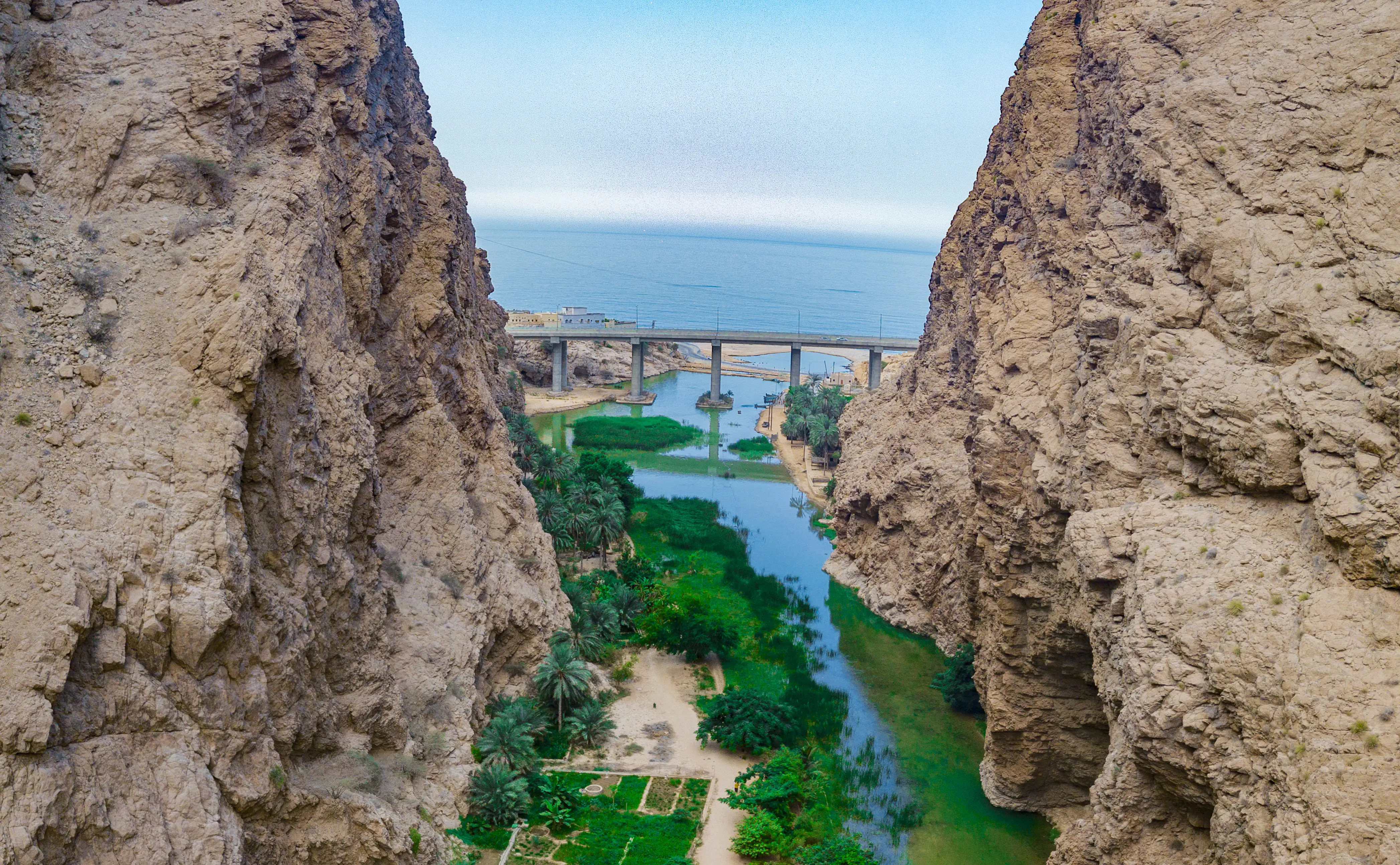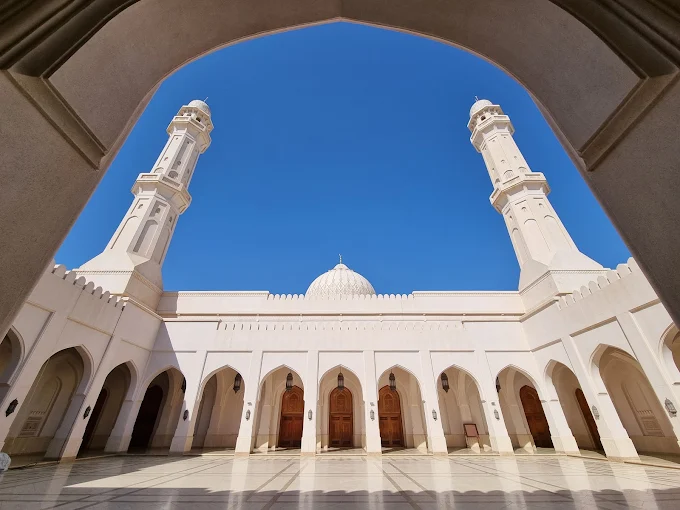
In 2026, Oman officially moved beyond being a "hidden gem" to become a global leader in sustainable travel. Recently awarded the Emerging Tourism Destination Award for 2026 by Viajar, the Sultanate is proving that luxury and conservation can walk hand-in-hand.
Unlike the high-rise sprawl of neighboring hubs, Oman’s eco-tourism model is built on low-density, high-value experiences that prioritize the soul of the landscape over the scale of the architecture.
🌿 The 2026 "Green Economy" Shift 🇴🇲
Under the Eleventh Five-Year Development Plan (2026–2030), tourism has been identified as a strategic non-oil growth pillar.
- Growth: The sector is projected to grow by 5.7% annually, driven by eco-lodges and nature-based stays.
- Net Zero Goals: Oman is aggressively pursuing a Net Zero 2050 goal, with 2026 marking a surge in solar-powered desert camps and plastic-free mountain retreats.
- Agritourism: Sustainable farming and tourism are merging, allowing travelers to participate in traditional harvests while supporting local biodiversity.
📍 Top Eco-Destinations for 2026
🐢 1. Ras Al Jinz Turtle Reserve
This remains the gold standard for conservation-led tourism.
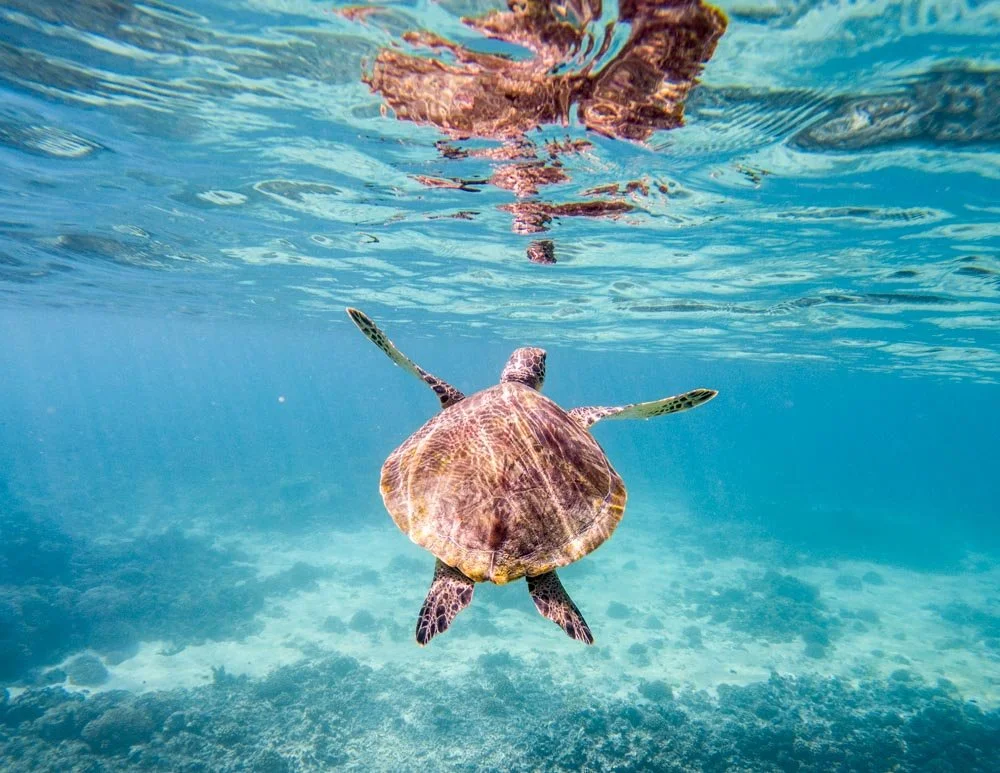
- The Experience: Witness the nesting of endangered Green Sea Turtles under the guidance of expert rangers.
- 2026 Update: The reserve has expanded its "Silent Tours," using specialized lighting and sound-dampening paths to ensure the turtles remain undisturbed while guests receive an up-close education on marine biology.
🏝️ 2. Daymaniyat Islands: "The Aquarium of Arabia"
An uninhabited archipelago and protected marine reserve that serves as the heart of Omani snorkeling.
- The Wildlife: Swim in crystal-clear waters with whale sharks, leopard sharks, and hundreds of hawksbill turtles.
- Sustainability: In 2026, many operators have introduced electric-powered boats for "Zero-Noise" snorkeling trips, enforcing strict visitor caps and "No-Anchor" zones to protect the coral reefs.
⛰️ 3. Jebel Akhdar: The Agritourism Capital
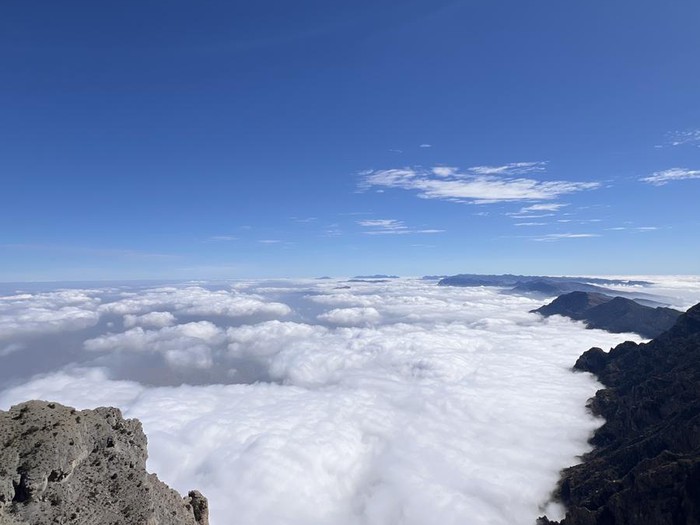
The "Green Mountain" is the pinnacle of luxury eco-tourism.
- The Experience: Wander through ancient Falaj irrigation systems and terraced rose gardens.
- The Stay: Resorts like Anantara Al Jabal Al Akhdar lead the way with 100% wastewater recycling and "Farm-to-Table" dining where pomegranates and walnuts are grown just steps from your suite.
⛺ The Rise of the "Green Desert"
In 2026, the Wahiba Sands have seen a revolution in "Digital Detox" glamping.
- Eco-Resorts: Modern camps now meet high global sustainability criteria, utilizing 100% renewable energy and solar thermal panels for hot water.
- The Activity: Trade gas-guzzling 4x4s for a camel trek or a fat-tire bicycle ride over the dunes. It’s quieter, more respectful to wildlife, and offers a deeper connection to the silence of the sands.
📊 Eco-Tourism Comparison at a Glance
| Destination | Primary Eco-Focus | 2026 Innovation |
|---|---|---|
| Ras Al Jinz | Wildlife Protection | Silent-path technology & low-impact lighting. |
| Daymaniyat | Marine Biodiversity | Electric "Zero-Noise" boat transfers. |
| Jebel Akhdar | Agritourism | 100% wastewater recycling & local sourcing. |
| Wahiba Sands | Renewable Energy | Solar-thermal hot water & camel-centric travel. |
How to be a "Wise" Eco-Tourist in 2026
- Choose Certified Guides: Look for guides licensed under the new 2026 regulations, which mandate environmental safety and "Cultural LNT" training.
- Respect the Wadis: Never use soap or shampoo in mountain pools (even "biodegradable" ones) to protect the Falaj irrigation used by downstream villages.
- Support Local: Buy your frankincense, honey, and pottery directly from village artisans to ensure tourism dollars uplift the community directly.
Our Commitment: As part of our environmental pledge, we provide welcome water in recyclable or glass bottles, helping us protect the very wadis and oceans you are here to explore.