The Scent Trail: Following the Aromas of Frankincense and Roses
To walk the "Scent Trail" of Oman is to journey through the very soul of the Sultanate. For thousands of years, two fragrances have defined this land: the earthy, citrusy smoke of Frankincense from the south and the delicate, smoky floral notes of Rose Water from the north.
Here is your guide to following these aromatic markers from the desert to the clouds.
🌳 Part 1: The Land of Frankincense (Dhofar) 🇴🇲
In the southern Dhofar region, frankincense is known as "Oman’s White Gold." It is harvested from the hardy Boswellia sacra trees that grow wild in the arid wadis.
Where to Experience It:
- Wadi Dawkah (UNESCO Site): A natural park where you can see thousands of ancient frankincense trees. This is the official "start" of the ancient incense route.
- Al Baleed Archaeological Park: Visit the Museum of the Land of Frankincense in Salalah to learn how this resin once linked Oman to the Roman Empire and Ancient Egypt.
- Haffah Souq: The best place to buy high-quality resin. Look for Hojari frankincense—the finest grade, identifiable by its large, translucent, silvery-green "tears."
🌹 Part 2: The Rose Gardens of the Clouds (Jebel Akhdar)
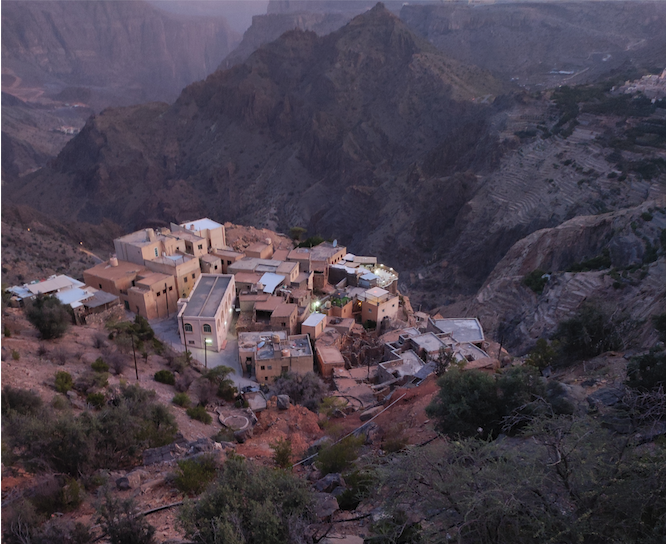
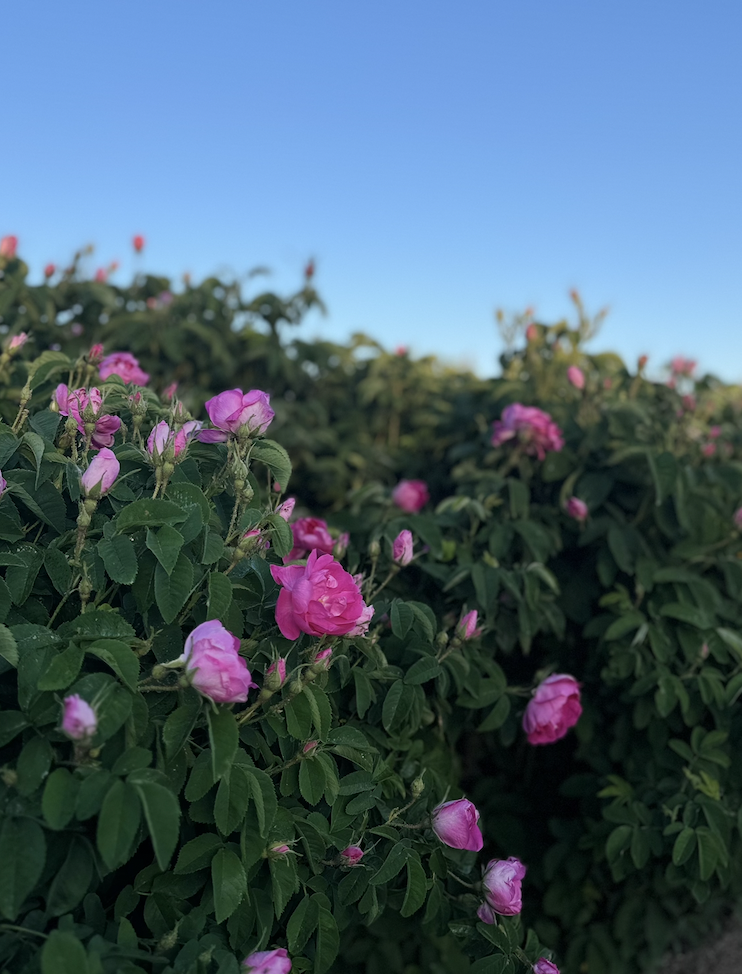
While the south smells of resin, the north—specifically the "Green Mountain"—smells of Damask roses. Every April, the terraced cliffs of Jebel Akhdar turn a vibrant pink.
The Traditional Way to Make Omani Rose Water
Omani rose water is famous for its distinctive smoky aroma and golden-brown hue. The process has remained unchanged for centuries:
- The Harvest: Farmers wake at dawn to pluck the blossoms while the oil concentration is at its peak and the petals are still cool with dew.
- The Mud Oven (Dahjan): Petals are placed inside large clay pots (Burmah) built into a traditional mud oven heated by a wood fire.
- The Distillation: A smaller bowl (Sahlah) sits atop the petals inside. A cold-water-filled copper basin seals the top.
- The "Smoke" Extraction: As the fire heats the petals, steam rises, condenses on the cold top, and drips into the inner bowl. The slight singeing of petals against the clay gives the water its famous smoky flavor.
- The Aging: The liquid is filtered and stored in large jars for several months to mature.
📊 The Scent Trail Itinerary
| Stop | Primary Scent | Best Time to Visit |
|---|---|---|
| Salalah (South) | Frankincense | October – April |
| Jebel Akhdar (North) | Damask Roses | March – May (Peak bloom: April) |
| Muscat (Souqs) | Bakhoor (Blends) | Year-round |
💡 How to Use These Scents Like a Local
- In Your Coffee: A drop of Omani rose water is added to Kahwa to add a floral top note.
- For Hospitality: After a meal, hosts pass a Marash (silver sprinkler) to spray rose water on guests' hands for refreshment.
- For Health: Many locals chew frankincense resin or drink a few drops of the oil in water, believing it aids digestion.
Traveler’s Tip: When buying frankincense, rub a piece of the resin between your fingers. If it smells like lime and pine and leaves a sticky, pleasant residue, you’ve found the high-quality "Hojari" grade!